The future of CO₂ solutions is being built now. But speed is critical
The future of CO₂ solutions is being built now. But speed is critical
How do we turn CO₂ emissions into valuable resources – and scale the solutions fast enough to make a real impact?
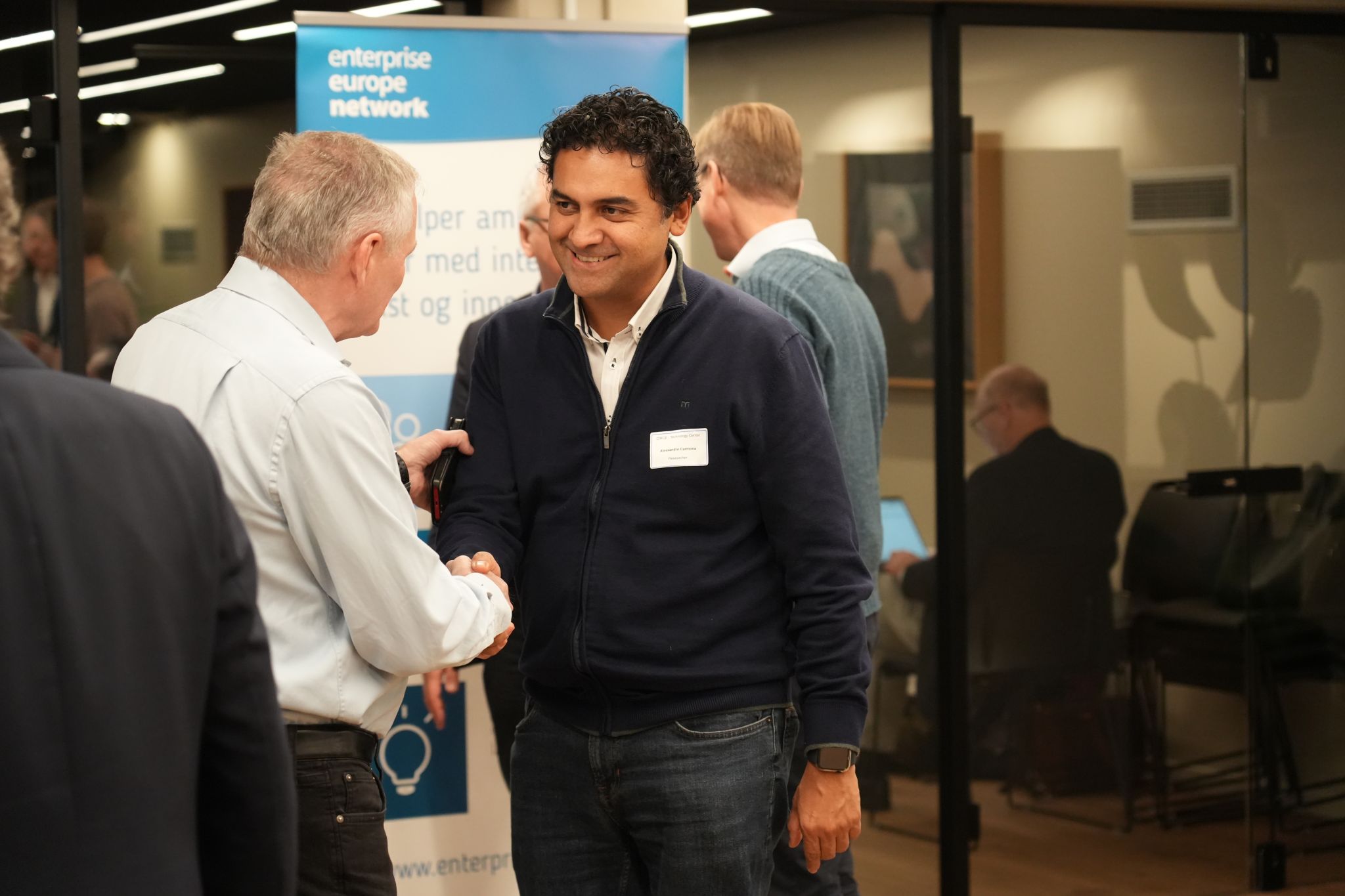
This question was at the centre of the “Greenhouse Gas: From Emission to Value” conference held in Odense, where industry leaders, researchers and policymakers gathered to discuss the current state and future of carbon capture and utilisation (CCU).
Strong momentum – but markets are lagging behind
A key message from the day was clear: progress is happening, but success depends on speed. Accelerating development is not enough on its own – markets, regulation and investment must keep pace.
During the session “State of the industry,” Jan Boyesen from Teknologisk Institut and Jens Therkelsen from Invest in Denmark highlighted Denmark’s strong position within carbon capture and utilisation. Denmark is actively working to become a European hub for carbon storage, and its strong international reputation continues to attract companies developing CCU technologies.
At the same time, a gap remains. Innovation is advancing rapidly, but markets are still lagging behind.
From research to real-world applications
Across the following sessions, participants were presented with a range of concrete cases and technological developments that illustrate both the potential and the complexity of the field.
Two EU-funded projects demonstrated how new CCU solutions are being tested across Europe, while initiatives such as the Ghent pilot plant, Biogas Clean and the Acetate consortium are addressing one of the most pressing global challenges: producing sufficient, nutritious food for a growing population.
At Aarhus University, a new pilot plant is currently under development in Foulum, adding to Denmark’s growing test and demonstration capacity. Meanwhile, Novonesis showcased how CO₂ can be fermented into precision proteins, and Spora highlighted the importance of linking technological innovation with taste, chefs and consumer preferences.
What will it take to scale a “unicorn industry”?
In the afternoon, a panel featuring Henrik Stiesdal, Henrik Busch-Larsen, Carsten Hjort and Mads Bjørnvad turned the discussion towards scale and system change. The debate focused on what it will take to build a “unicorn industry” within CO₂-based solutions.
Three key barriers stood out: slow approval processes, a lack of patient capital in Europe compared to the United States, and the need to activate public demand to enable large-scale adoption of new solutions.
A shared responsibility to accelerate
The conclusion from the day was both optimistic and urgent. The technologies are advancing, partnerships are forming, and momentum is building. But unlocking the full potential of CO₂-based solutions will require faster regulatory frameworks, stronger investment landscapes and continued international collaboration.
The conference was organised by CERNET – with Food & Bio Cluster Denmark as a partner – together with Invest in Odense, Alliance for Biosolutions and DI Biosolutions. The event was co-funded by the Circular Bio-based Europe Joint Undertaking (CBE JU), the Bio-based Industries Consortium (BIC) and the European Union.