Safe, sustainable AND MEASURABLE by design!
Safe, sustainable AND MEASURABLE by design!
“Safe and sustainable by design” is a cornerstone of CBE and CERNET. LCA and LCC quantify exactly that! Results, however, are only as good as the data and models they originate from. DREVEN’s LCA/LCC workshops brought the consortium together, presenting all methodologies, guidelines, best practices and specialized, advanced data collection templates for proactive, continuous and high-quality data collection that would yield credible results. Consistent, streamlined and iterative data collection from early stages is not only a cornerstone for credible results but also highly aligned with SSbD, with multiple dataset versions collected throughout CERNET’s lifetime, providing insights for development from early stages up to the final demonstrators of the project – a safe, sustainable and measurable approach.
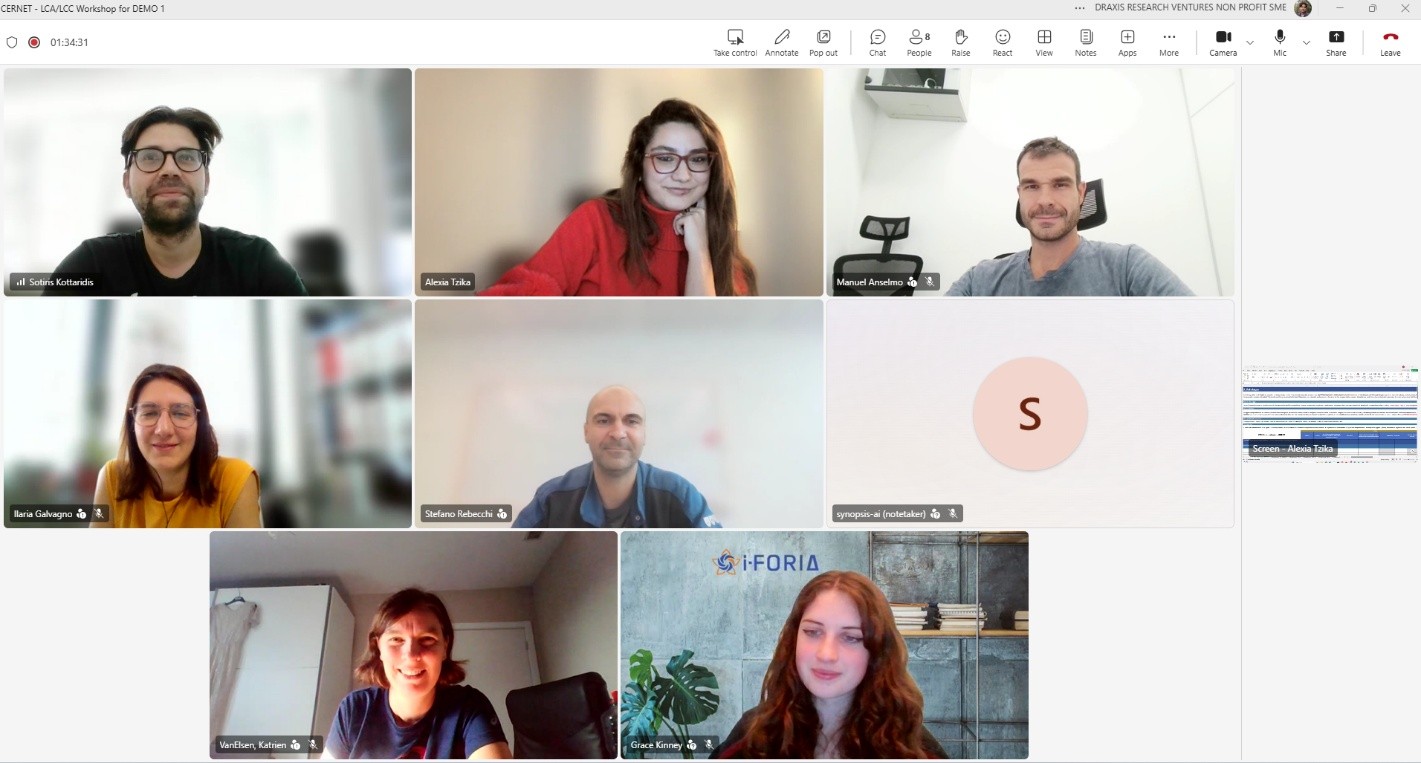
Figure 1 LCA/LCC workshop with CERNET DEMO 1
From models to pilots and back again!
DREVEN presented to DEMO partners the main approach implemented, including the foreseen system boundaries and functional units. The foreseen value chain structures to be modelled were agreed upon with partners. The different processes and phases of development were allocated to specific tasks, partners and durations. The approach allowed for a clear definition of different periods and phases and a specific responsible data provider for each, enabling streamlined and organized data collection early on. Gathering information early on allows process models to feed LCA models, LCA models to feed insights into up-scaled processes, and up-scaled processes to feed LCA models. A continuous SSbD loop!
LCI – “Legitimate and Concrete Inventory”
Best practices in terms of LCI validity were also presented, including guidelines on addressing internally consumed/recovered/recycled flows (black box LCI), physical consistency (traceability of all inputs to outputs and vice versa, chemicals/substances stoichiometric balance), quantitative consistency (mass balance of inputs/outputs) and clearly defined, unambiguous flows (compositional breakdowns/specificities, standardized units of measurement etc.).
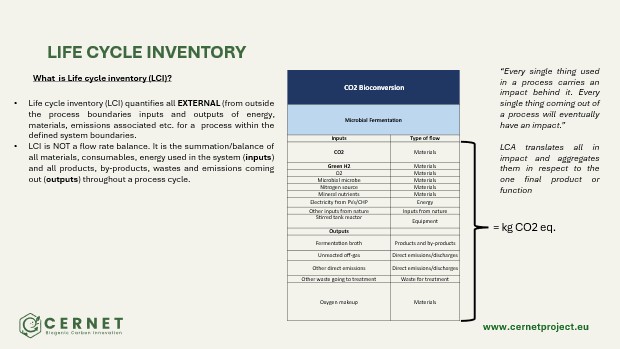
Figure 2. LCA/LCC workshops - LCI
Practice makes perfect…data!
Following the presentation of the templates, DREVEN proceeded with the presentation of DEMO-centric exercises with theoretical operational scenarios/problem statements of DEMO-specific processes, their translation to an LCI format and the use of the templates.
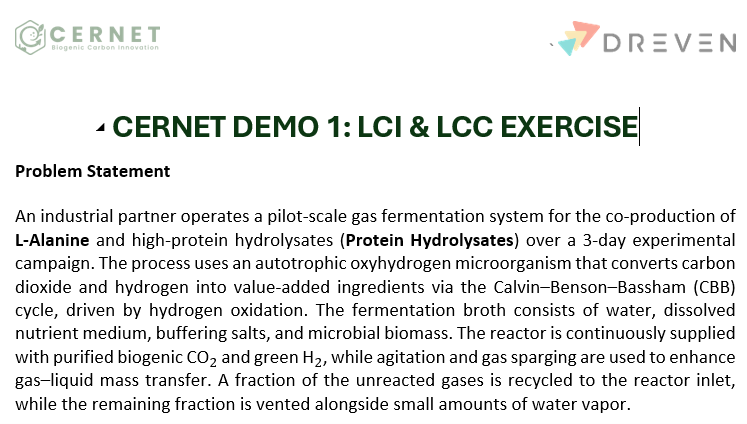
Figure 3. LCA/LCC CERNET-centric practical exercise
Why it matters
Replacing fossil-based products only helps if the new routes cut emissions and costs and are accepted by the people involved. The WP6 results will also show where the CERNET approach could be replicated in other industries. DREVEN’s LCA/LCC workshops brought the consortium together, presenting all methodologies, guidelines, best practices and specialized, advanced data collection templates for proactive, continuous and high-quality data collection.
To be continued…
Now that all partners are aligned, the long endeavour of data collection, arguably the most difficult and essential part of any LCA and LCC, begins, with DREVEN supporting partners at every step!
“LCA ISOs define LCI as ‘Life Cycle Inventory’, but I like to define it as ‘Legitimate and Concrete Inventory’.” – Sotiris Kottaridis, Project Manager of Circular Economy, DREVEN
Environmental, cost and social results are due in late 2028. Follow cernetproject.eu for updates and workshop announcements.